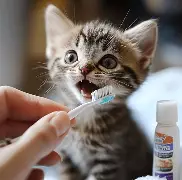
Teething is a major milestone in both dogs and cats as they grow up. When their baby teeth come out and adult teeth grow in, they will feel some pain, and you may see changes in their behavior. The teething process can be messy for dog/cat owners, but it’s a normal part of growing up. Understanding what to look for and what to do about those behaviors can help keep your young pup/kitten comfortable while going through teething.
When Do Puppies and Kittens Start Teething?
Both dogs and cats start teething when they are newborns. They get baby teeth as early as a couple of weeks old, so they can go to solid foods instead of just nursing. Eventually, all baby teeth need to come out before a complete set of permanent (adult) teeth develops.
Dogs tend to lose their baby teeth when they are around 3 months old and finish getting their adult teeth by 6-7 months old. Cats tend to follow a similar pattern as well, and usually lose their baby teeth when they are around 3 months old and complete the teething process by 6 months of age. Owners seldom notice that baby teeth are gone, because many times these lost baby teeth are swallowed along with their meals, and there is no problem with that.
What to Expect During Teething?
The main sign of teething is when your dog or cat is extremely interested in chewing or biting. This interest is from wanting to ease the pressure on their sore gums caused by the tooth coming in. Also, you might notice some mild drooling, some minor redness of the gums, or some very tiny bleeding spots on chew toys.
Some pets don’t want to eat harder foods for a day or two after getting a new tooth due to sore gums. Others may seem much more playful than they normally would. Most of the time, these symptoms will pass when the final tooth has grown in.
How to Soothe Sore Gums?
The simplest way to help your pet get past teething is to give them something to chew on. For example, puppies will enjoy durable rubber toys while kittens can use dental-safe toys. These toys will let them chew as nature intended, but they won’t damage things around the house. In addition, placing these toys in the refrigerator can provide a cooling relief from swollen gums during teething.
To assist your pet in consuming their food if it appears difficult to eat due to the soreness associated with teething, you can soften dry food slightly by adding some warmed-up water. When your pet is going through teething, it is especially important to keep those things off-limits that would normally be tempting to put into their mouth (shoes, furniture, electrical wires, etc.).
As well, avoid giving hard bones, antlers, or any very hard chew items because they could break a developing tooth and create considerable discomfort.
When Should You See a Veterinarian?
Typically, all dogs and cats go through teething without any complications. However, if your pet has continuing bad breath, excessive bleeding, extreme inflammation of their gums, problems eating, or if their baby teeth remain after their adult teeth erupt, then there may be a dental problem that needs veterinary intervention. Veterinary care early in life can prevent future oral health issues and assist in the proper development of your pet’s permanent teeth.
Conclusion
All puppies and kittens experience a “teething” phase at some time in their lives. Even though sore gums may cause an increase in chewing/biting/mild discomfort, these behaviors typically cease once the adult teeth begin coming in.
By providing your pet with adequate chew options, making mealtime as easy as possible when required, and monitoring your pet’s oral health, you will be able to help them successfully pass through this phase. As always, if you feel like the teething process is uncharacteristic of what is typical for your pet, visit your veterinarian for an examination to determine if everything is progressing normally.

Persistent Deciduous Teeth (Baby Teeth) in Cats | VCA Animal Hospitals
Accepted Products | Veterinary Oral Health Council
Teeth, Teething and Chewing in Puppies | VCA Animal Hospitals