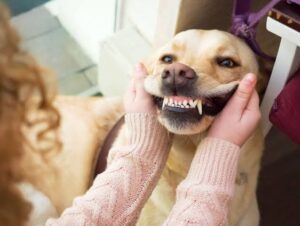
You may feel some apprehension if your veterinarian recommends a dental cleaning for your dog or cat. Your pet will have to undergo anesthesia. You will not be in the room. And everything seems somewhat mysterious. Fortunately, a veterinary dental cleaning is conducted using a very systematic approach. Understanding what occurs at each stage should alleviate many of the concerns associated with the day.
Pre-Anesthetic Evaluation
Prior to starting any dental cleaning, your veterinarian must determine whether your pet is healthy enough for anesthesia. Typically, this involves a complete physical examination. The veterinarian listens to the heart and lungs, weighs your pet, and conducts an initial look inside the mouth.
In addition to the physical exam, most veterinary clinics perform pre-anesthetic bloodwork. Blood tests show how well the liver and kidneys are working, since these organs process anesthetic drugs. They can also identify conditions such as anemia or infection that may have gone unnoticed by the owner. For older animals, or those with known health problems, additional testing may include a urinalysis, chest X-rays or an electrocardiogram (ECG). Should anything abnormal show up, your veterinarian may adjust the anesthetic plan or treat the condition first.
Anesthesia and Monitoring
A proper dental cleaning cannot be performed on an awake pet. Anesthesia ensures that your pet remains calm and free from pain throughout the entire procedure. Once your pet is asleep, the veterinarian places a breathing tube into the trachea. This protects the airway from the water, debris and bacteria that the cleaning would otherwise send down toward the lungs.
A skilled technician monitors your pet the entire time they are under anesthesia, tracking heart rate, breathing, blood pressure, oxygen levels and body temperature. Most veterinarians also give intravenous fluids to support blood pressure and organ function, while warm blankets help maintain body temperature and prevent hypothermia.
The Cleaning and Examination
Once your pet is safely anesthetized, the actual cleaning begins. The dental team uses an ultrasonic scaler to remove plaque and tartar from every tooth surface. The most critical work happens below the gum line, where bacteria live and cause the most damage. Anesthesia free cleanings are simply unable to reach this area.
Next, your veterinarian inspects each tooth individually. Using a periodontal probe, they measure any pockets between the tooth and gum, which can be a sign of periodontal disease. They also check for fractured teeth, loose teeth, receding gums, and unusual growths. Dental X-rays play a major role here, because roughly two thirds of each tooth lies hidden beneath the gum line. Painful problems such as root abscesses are often visible only on X-rays. Finally, the teeth are polished to smooth out the tiny scratches left by scaling, which gives new plaque less opportunity to stick.
Treatment and Recovery
If your veterinarian finds a problem during the examination, it can often be treated during the same procedure. Possible treatments include extracting a fractured or diseased tooth, giving a local anesthetic block for pain relief, or placing sutures in the gums. Many clinics will call you during the procedure to share findings before any extractions are done.
Afterward, your pet wakes up in a quiet recovery area while the team continues to watch them closely. The vast majority of pets go home the same day. Your pet may seem slightly sleepy or unsteady that evening, which is a completely expected effect of anesthesia. If teeth were removed, your veterinarian may prescribe pain medication and antibiotics, and recommend feeding soft food for several days.
Conclusion
A professional veterinary dental cleaning is far more than a simple polish. It is a thorough assessment of your pet’s oral health, carried out safely under general anesthesia by a trained veterinary team. Combine regular professional cleanings with daily brushing at home and you can help prevent painful dental disease for years to come.
-
Bellows, J., Berg, M. L., Dennis, S., et al. (2019). 2019 AAHA Dental Care Guidelines for Dogs and Cats. Journal of the American Animal Hospital Association (JAAHA), 55(2), 49–69.
-
Supports: The 12-step systematic approach to professional dental cleanings (COHAT), full-mouth intraoral radiographs, subgingival scaling, periodontal probing depth standards, and the requirement of general anesthesia.
-
-
American Veterinary Dental College (AVDC). Position Statement on Anesthesia-Free Dentistry.
-
Supports: Why manual scaling without anesthesia is ineffective, cosmetic-only, fails to clean beneath the gumline where periodontal bacteria live, and poses safety risks to the patient.
-
-
American Veterinary Dental College (AVDC). Position Statement on Veterinary Dental Radiographs.